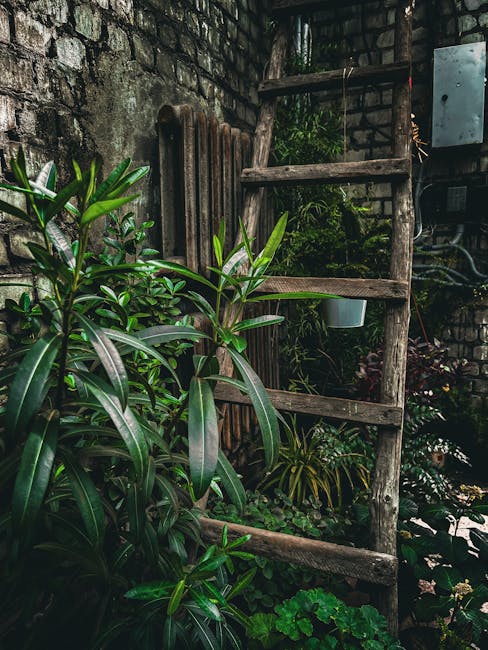
Wood Green gardeners guide for small urban yards
Small urban yards can be surprisingly rewarding. In Wood Green, where space is often tight, overlooked, and shared with bins, bikes, paving, and a bit of weathered London character, the right garden approach makes all the difference. This Wood Green gardeners guide for small urban yards is written to help you turn a modest outdoor space into something calm, useful, and genuinely enjoyable to spend time in.
Whether your yard is a narrow back patch, a paved courtyard, or a compact side return that never quite feels finished, the same principles apply: use every metre well, choose plants that cope with the conditions, and keep maintenance realistic. Truth be told, the best small gardens are rarely the fanciest. They're the ones that feel easy to live with. A good plan, a few smart materials, and the right planting can transform the space without making it feel crowded.
Below, you'll find a practical guide to design, planting, upkeep, and local considerations for small urban gardens in Wood Green. If you're comparing services or planning a bigger tidy-up, it may also help to look at related local support such as gardening services, landscaping services, and more targeted help like grass cutting or hedge trimming when the garden needs regular care.
Why Wood Green gardeners guide for small urban yards Matters
Small urban yards have a funny way of looking simple from the back door and complicated the moment you try to improve them. In Wood Green, many homes have compact outdoor areas that are shaded by walls, overlooked by neighbours, or broken up by paving and awkward corners. That means general gardening advice often misses the mark. A tailored approach works better because it respects the realities of city space: limited light, noise, privacy concerns, hard surfaces, and very little room for wasteful mistakes.
This matters for more than appearances. A well-planned small yard can feel bigger, quieter, and easier to maintain. It can also support pollinators, improve drainage, and give you a usable outdoor room for sitting, cooking, drying laundry, or growing herbs. Small spaces ask for discipline, but not in a strict or joyless way. More like thoughtful editing. What stays, what goes, what earns its place?
For many householders, the main challenge is not gardening skill. It's confidence. You may have a patch that looks tired, or you may be starting from scratch after years of neglect. Either way, a local, practical framework helps you avoid expensive detours. If you're also considering outdoor improvements beyond planting, it can be worth exploring patio cleaning or fencing to improve the structure before you think about the planting palette.
Expert summary: Small urban yards succeed when design, maintenance, and planting are chosen together. If one piece is out of sync, the garden tends to feel cramped or high-maintenance very quickly.
How Wood Green gardeners guide for small urban yards Works
The best way to work with a small yard is to think in layers. First comes the structure: paths, seating, boundaries, drainage, and where light falls through the day. Then comes the planting: evergreen shape, seasonal colour, and plants that match the available sun or shade. Last comes the maintenance plan: watering, pruning, feeding, cleaning, and the occasional reset when things get a bit wild. That order matters. If you plant first and design second, you end up working around your own mistakes.
In practical terms, a small urban yard in Wood Green usually benefits from a few core moves:
- Create one clear focal point so the garden feels intentional.
- Use vertical space with trellis, wall planters, or climbers.
- Keep the planting palette limited to avoid visual clutter.
- Choose materials that age well in damp, shaded, or partially enclosed spaces.
- Plan maintenance around your real routine, not an ideal one you'll never keep up.
That last point is key. A small yard can become more stressful than a large one if every corner demands attention. Let's face it, most people want a garden they can enjoy after work, not one that nags them every weekend. That's why sensible pruning schedules, seasonal resets, and low-fuss planting often outperform the "wow" garden that looks impressive for three weeks and then becomes a chore.
If you'd like more support with ongoing upkeep once the design is in place, a service like garden maintenance can be a practical next step, especially for busy households or landlords managing more than one outdoor space.
Key Benefits and Practical Advantages
A well-managed small yard offers more than visual improvement. It changes how the space feels and how often you use it. That is the real payoff. Instead of stepping outside and seeing a neglected corner, you see a place that works.
Here are the main advantages:
- Better usability: a small yard can become a dining spot, quiet retreat, herb garden, or family-friendly area.
- Easier upkeep: when the layout is simple, mowing, pruning, and tidying take less time.
- Improved privacy: smart screening and planting can soften overlooking windows and nearby boundaries.
- More light and space: reflective surfaces, lighter materials, and raised planting can make a courtyard feel less boxed in.
- Stronger kerb appeal: neat, compact gardens often improve the overall look of the property faster than larger, messier plots.
- Year-round interest: evergreen structure and layered planting help the yard stay attractive through winter, not just in June.
There's also a subtle benefit people don't always expect. A tidy, well-composed yard tends to feel mentally calmer. Not dramatic, not magical. Just easier on the eye. On a grey evening, when the street is busy and the bins are out, that matters more than people admit.
For landlords, homeowners, and letting agents, there's a practical side too. Consistent upkeep can help keep borders, paths, and entrances looking presentable, which is why some people pair garden improvements with broader outdoor work such as lawn mowing or tree cutting where overgrowth is affecting light and access.
Who This Is For and When It Makes Sense
This guide is for anyone trying to make a compact outdoor area in Wood Green feel more usable and less chaotic. That could mean a homeowner with a narrow rear yard, a tenant with a modest patio, a landlord preparing a property, or a family that wants somewhere practical rather than ornamental. You do not need a large budget or a grand design brief. You need a plan that fits the space.
It makes sense to apply this approach if you're dealing with any of these situations:
- A small yard that has become cluttered, patchy, or overgrown.
- A garden that is mostly paving and needs softer edges.
- A shaded space where "standard" garden ideas fail.
- A courtyard or side return that feels too narrow for anything useful.
- A property where drainage, privacy, or maintenance are ongoing issues.
- A rental or sale preparation where appearance and neatness matter.
Sometimes the right move is not a complete redesign. Sometimes it's a tidy, measured reset. A simple clean-up, pruning pass, and boundary refresh can unlock the space before you make any bigger decisions. If that sounds familiar, a service such as garden clearance can be the practical starting point rather than an optional extra.
And if you're wondering whether a tiny yard is even worth the effort - yes, absolutely. In a built-up area, a good small garden often earns its keep more reliably than a bigger one that's too awkward to maintain.
Step-by-Step Guidance
Below is a simple, practical approach to improving a small urban yard. It's not the only method, but it is a dependable one. Skip steps at your peril, as they say. Well, not quite peril. But you will make more work for yourself.
1. Start with a proper look at the space
Spend time noticing where the sun falls, where water collects, and which areas you naturally walk through. Don't just look at the garden at midday in perfect weather. Check it on a damp morning and again later in the day if you can. The difference can be surprising. A south-facing patch may be warm and bright, while the back corner stays cool and mossy.
2. Clear out what doesn't earn its place
Old pots, broken furniture, dead shrubs, and half-finished projects make a small yard feel even smaller. Remove clutter before choosing new materials. This creates room to think. If a section is beyond simple rescue, consider whether a reset or targeted pruning is the better route. A quick trim is sometimes enough; other times, a full tidy-up is more realistic.
3. Define the main use of the garden
Ask yourself what the space should do most often. Sit and relax? Grow herbs? Provide privacy? Be child-friendly? A small yard should not try to do everything at once. Pick one primary purpose and one secondary purpose. That keeps the design clear.
4. Build the structure first
Use paving, decking, edging, planters, screening, or raised beds to divide the space gently. The aim is not to box it in. It's to give it shape. In small gardens, a little structure goes a long way. Even a modest change in line or level can make the yard feel intentional rather than accidental.
5. Choose a planting scheme that suits the light
Shady yards need different planting from bright ones. It sounds obvious, but this is where many people go wrong. For shade, think of hardy foliage plants, ferns, hellebores, ivy used responsibly, and shade-tolerant evergreens. For brighter spaces, herbs, grasses, compact flowering shrubs, and climbers can do well. Keep the list short. Three to five strong plant types often look better than ten competing ones.
6. Add height without crowding the floor
Vertical planting is your friend in a small urban yard. Trellis with climbers, wall-mounted planters, and slim shrubs help draw the eye upwards. That creates the impression of space. A bare wall can become a feature, and suddenly the yard stops feeling flat.
7. Put maintenance on a realistic schedule
Set simple routines: weekly litter pickup, monthly pruning checks, seasonal feeding, and a spring or autumn tidy-up. If you don't have time for this, plan a professional visit before things spiral. Small spaces show neglect faster than big ones. That's just how they are.
8. Review the result after a few weeks
Live with the garden before declaring victory. Sometimes the seating is too close to the boundary. Sometimes the planter height blocks a view. Sometimes the space needs one less pot. A good garden evolves. It doesn't need to be perfect on day one.
Expert Tips for Better Results
After working in small urban gardens for long enough, a few patterns become very clear. The simplest gardens often age best. The ones that try to do too much usually become messy quickly. Here are the sorts of details that make a real difference.
- Limit your materials. Use two or three finishes, not six. Repetition creates calm.
- Choose containers carefully. In a small space, oversized pots can dominate, while tiny pots look fiddly. Aim for proportion.
- Use evergreen backbone planting. This keeps the yard looking composed even in winter.
- Mix hard and soft surfaces. Too much paving feels stark; too much planting in a tiny yard can feel cluttered.
- Keep lines simple. Straight edges usually read better in narrow spaces than busy curves.
- Plan for water. Small yards can get soggy in winter or dry out fast in summer. Choose plants accordingly.
One useful trick is to think in layers: floor, mid-level, and vertical. If every layer is packed, the space feels restless. If one layer is doing the work and the others support it, the yard feels balanced. It sounds almost too neat on paper, but in practice it helps a lot.
A bit of restraint also helps with privacy. A solid fence can be useful, but it may feel oppressive in a tiny yard. Often a lighter screen, a climber, or stepped planting provides enough separation without closing the place in. To be fair, the right balance depends on the actual space, not a rule of thumb.
If your garden has patchy turf or tired grass edging, a focused service like turfing may be more appropriate than fighting with an underperforming lawn. In a small urban yard, replacing a problem area can be smarter than repeatedly repairing it.
Common Mistakes to Avoid
Small yards are unforgiving of poor decisions, but that's not a bad thing. It just means the wrong choice shows up quickly. The good news is that most mistakes are easy to avoid once you know what to watch for.
- Overplanting: too many species, colours, and textures make the space look busy rather than lush.
- Ignoring light levels: plants that need sun will struggle in shade, and the whole yard starts looking tired.
- Using too many tiny items: lots of little pots, ornaments, and features can create visual noise.
- Leaving drainage until last: puddling and damp patches are a nuisance and can affect surfaces and planting.
- Choosing maintenance-heavy plants: if you won't prune them often, they'll outgrow the space fast.
- Blocking access: beautiful planting is no help if you can't get to the bin, tap, or seating area.
- Forgetting winter view: a garden that only works in summer is a half-finished job, really.
Another common issue is trying to solve every problem with more planting. Sometimes the answer is a small amount of clearance, a better surface, or a cleaner line along the boundary. Sometimes the smartest garden is the one with a bit of breathing room.
And here's a small one-liner worth remembering: less stuff, better chosen, usually wins.
Tools, Resources and Recommendations
You do not need a shed full of expensive kit to manage a small yard well. A few dependable tools and sensible materials are enough for most jobs. If you're doing regular upkeep yourself, keep the basics in good condition and don't overcomplicate things.
| Need | Useful option | Why it helps in a small yard |
|---|---|---|
| General tidying | Lightweight rake, secateurs, trug or bucket | Quick to use, easy to store, good for regular maintenance |
| Pruning and shaping | Sharp hand shears and bypass secateurs | Cleaner cuts and neater plant structure |
| Containers and planting | Frost-resistant pots, peat-free compost, saucers where needed | Improves durability and reduces mess on paved surfaces |
| Privacy and height | Trellis, canes, compact climbers | Adds screening without taking up floor space |
| Surface care | Pressure washing with caution, stiff brush, suitable cleaner | Helps keep patios and paths clear and safe |
For seasonal clean-ups, some households prefer a broader service that covers the whole outdoor space rather than a single task. That can include pruning, clearing leaves, cutting back overgrowth, and tidying beds in one visit. If that's the route you're considering, pages like shrub cutting and weeding are useful to compare against a general maintenance plan.
Resource-wise, local plant choices from nearby garden centres are often more reliable than chasing exotic ideas that sound clever but fail in real London conditions. A well-chosen hardy perennial is usually worth more than a delicate novelty that sulks after the first cold snap. Small garden, practical head on.
Law, Compliance, Standards, or Best Practice
For most small yard projects in Wood Green, the main focus is not complex legal compliance. It is sensible, neighbour-aware best practice. Still, a few UK and local considerations matter.
- Boundary awareness: check ownership before changing fences, walls, or shared edges.
- Waste disposal: garden waste should be handled responsibly, and larger clearances may need proper disposal arrangements.
- Noise and timing: keep noisy work to reasonable hours, especially in close housing layouts.
- Access and safety: maintain clear paths to gates, bins, and utility points.
- Tree work caution: larger trees may need extra care, and in some cases permission or specialist checks depending on location and protections.
Best practice in a compact urban garden is simple: avoid creating problems for neighbours, avoid unsafe shortcuts, and don't assume a quick fix will be enough for a structural issue. If a tree, wall, or boundary feature is involved, it's wise to assess it properly before making changes. That sort of caution saves time later.
For homes with large or difficult-overgrown trees, it can be sensible to speak to a specialist before deciding what to remove. The same goes for extensive hedging or mature shrubs where shape, access, and safety all matter.
Options, Methods, or Comparison Table
Not every small yard needs the same solution. Some need more planting, some need more structure, and some just need to stop fighting the space. Here's a straightforward comparison of common approaches.
| Approach | Best for | Strengths | Trade-offs |
|---|---|---|---|
| Minimal hardscape with planting | Yards that already get decent light | Fresh, open feel; more soft texture | Needs regular watering and weeding |
| Courtyard design with containers | Fully paved or very compact spaces | Flexible, tidy, easy to rearrange | Pots dry out quickly and need upkeep |
| Screened retreat | Overlooked spaces needing privacy | Calmer feel, better seclusion | Can reduce light if overdone |
| Low-maintenance reset | Busy households or rentals | Practical, neat, efficient | Less lush than a heavily planted scheme |
If you're unsure which route suits your yard, start with the method that matches your time, not your wish list. That sounds blunt, but it's honest. A low-maintenance reset is often the smartest first move, especially if the garden has been neglected for a while. You can always layer in more detail later.
Case Study or Real-World Example
Picture a typical Wood Green back yard: roughly rectangular, part paving, part tired border, a fence that has seen better days, and a few pots with plants that have long since given up the ghost. It's not unusual. There's also a little shade from nearby buildings, and the space feels narrower than it really is because everything sits at the same level.
The improvement plan starts simply. First, clear old debris and remove anything broken or redundant. Next, clean the patio so the surface reads properly again. Then, repair the visual line along the boundary with a trellis and a couple of climbers. After that, introduce one raised bed and a small number of repeated plants instead of lots of mismatched ones. A few evergreen shapes anchor the view through winter. A compact seating area goes in the brightest corner. Not glamorous. Just right.
What changes most is not the size of the yard. It's the feeling of order. The space begins to look deliberate. There's somewhere to sit, somewhere to grow, and somewhere for the eye to rest. On a damp afternoon, with the smell of wet paving and clipped leaves in the air, the garden stops feeling like a leftover area and starts feeling like part of the home.
That kind of transformation is often more achievable than people expect. And it doesn't require pretending the yard is bigger than it is. It just asks for better choices.
Practical Checklist
Use this checklist before you start work or book help. It keeps the process grounded and saves a surprising amount of backtracking later.
- Check how much direct sun the yard gets across the day.
- Identify problem areas: damp spots, clutter, poor access, weak fencing, or overgrown borders.
- Decide the garden's main purpose.
- Choose a simple style: minimal, planted, screened, or mixed.
- Remove items that no longer serve the space.
- Plan one focal point rather than several competing features.
- Select plants suited to the available light and maintenance level.
- Leave clear routes to gates, bins, and taps.
- Check whether boundary or tree work needs extra care.
- Set a realistic maintenance routine for weekly, monthly, and seasonal tasks.
- Consider whether professional help would save time or improve the finish.
One extra tip: take photos before you begin. It helps you see progress clearly, and, honestly, it stops you forgetting how cluttered the space used to feel once the tidy-up is done.
Conclusion
Small urban yards in Wood Green can be lovely places to spend time, but they need a clear plan. The best results usually come from simple structure, sensible planting, and maintenance that fits real life. If you focus on the way the space is used, keep the design tight, and choose plants that suit the light and conditions, the garden will feel calmer and far more rewarding.
The real win is not perfection. It is ease. A small yard that is tidy, welcoming, and manageable will always feel better than one that promises a lot and asks for too much. Start where you are, use what you've got, and make each choice earn its place.
Get a free quote today and see how much you can save.
And if there's one thought to carry with you, it's this: even the smallest yard can become a place you actually want to step into, not just walk past.
Frequently Asked Questions
What makes a small urban yard in Wood Green different from a suburban garden?
Small urban yards usually have less light, more overlooking, tighter access, and more hard surfaces. That changes how you plan planting, privacy, drainage, and maintenance. You need a design that works with the space rather than fighting it.
What is the best low-maintenance planting style for a compact yard?
A simple mix of evergreen structure, a few hardy perennials, and one or two climbers usually works well. Repetition matters. A limited palette looks calmer and is easier to maintain than a crowded mix of lots of small plants.
How can I make a tiny yard feel bigger?
Use lighter materials, reduce clutter, add vertical interest, and keep the layout simple. A single focal point can help the eye move through the space more easily. Good lighting and clean lines make a noticeable difference too.
Is it worth hiring a gardener for a small yard?
Often, yes. Small yards may be quicker to work on, but they also show mistakes more clearly. A professional can help with clearance, pruning, planting, and general tidying so the space feels balanced rather than overworked.
Should I choose paving or planting in a very small garden?
Usually a mix is best. Too much paving can feel stark, while too much planting can become crowded. The right balance depends on how the space is used, how much light it gets, and how much maintenance you want to take on.
What plants are good for shady urban yards?
Shade-tolerant plants such as ferns, hellebores, ivy used carefully, evergreen structure plants, and some woodland-style perennials often do well. The exact choice depends on moisture, soil, and how much direct light the space gets.
How often should a small yard be maintained?
Light weekly tidying, monthly checks for growth and weeds, and seasonal pruning or refreshing is a practical rhythm for most homes. If the space is heavily planted or very shaded, it may need a little more attention.
Do I need permission to change fencing or remove trees?
It depends on ownership, local protections, and the type of work involved. Simple boundary repairs may be straightforward, but tree work or changes to shared boundaries can be more sensitive. It's best to check carefully before making decisions.
What should I do first if my yard is overgrown?
Start with clearance and a basic tidy-up. Remove waste, cut back what is clearly too much, and assess the structure before adding anything new. Once the space is readable again, it becomes much easier to plan the next step.
How do I keep a small courtyard garden from looking cluttered?
Use fewer plant types, repeat materials, and give each feature enough space to breathe. In small gardens, restraint is usually your friend. A couple of strong choices often look better than lots of little ones.
Can I improve a small yard on a budget?
Yes. Often the cheapest improvements are the most effective: clearing clutter, pruning, cleaning paths, refreshing containers, and reusing what already works. You can make real progress without a full redesign, especially if you plan in stages.
What is the most common mistake people make with small urban yards?
Trying to do too much at once is probably the biggest one. Too many plants, too many features, and too many materials can overwhelm the space. A clear, simple plan usually leads to a much better result.