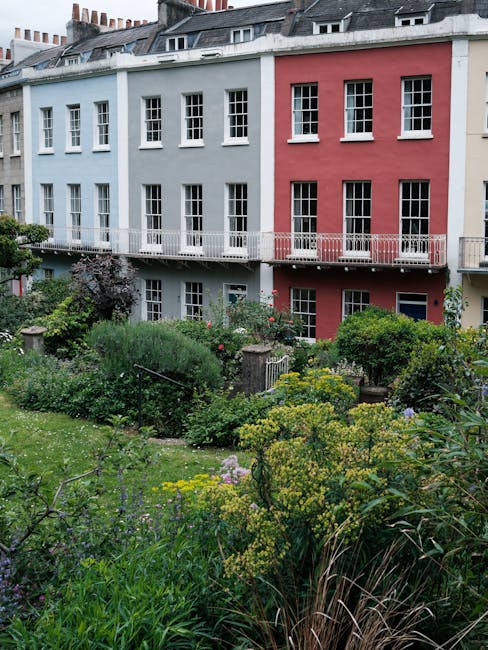
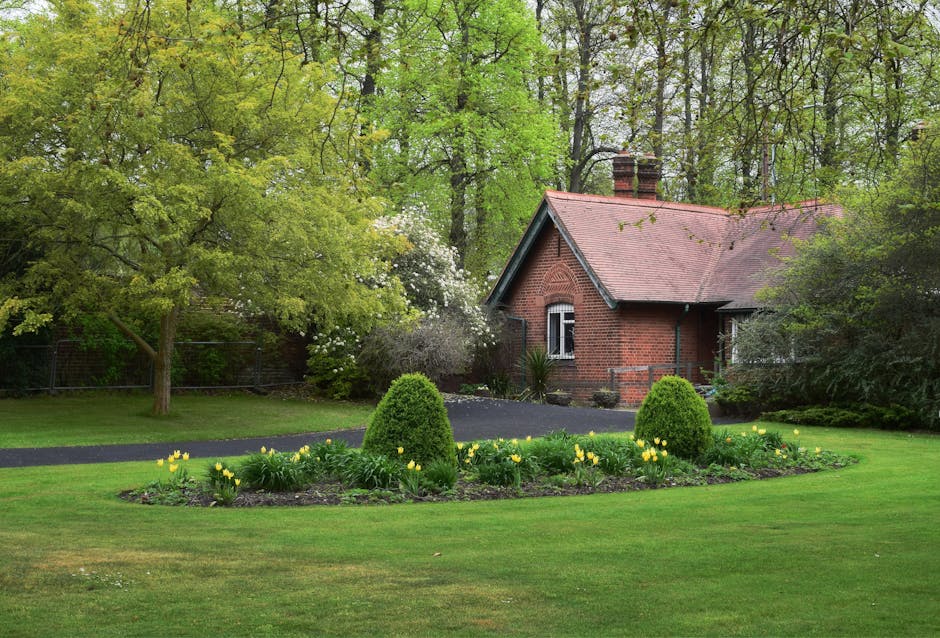
Crouch End Gardener Tips for Period Property Lawns
If you live in Crouch End, you already know the charm of a period property is rarely neat and modern. The house may have original brickwork, sash windows, a front garden with a slightly awkward slope, and a lawn that has seen better days. That is exactly where the right Crouch End gardener tips for period property lawns make a difference. Not with flashy tricks, but with careful, period-sensitive lawn care that respects the age of the property and the realities of London soil, shade, foot traffic, and weather.
Old gardens can be full of character, but they can also be a bit fussy. One patch dries out by the pavement, another stays damp under mature trees, and the whole lawn can start looking tired if it is cut too short or fed at the wrong time. This guide breaks down what actually works, what to avoid, and when it makes sense to bring in a professional. Simple enough. But not simplistic.
For readers comparing options or checking how a local gardening service works, you may also find it useful to look at the full range of gardening services, learn more about the team behind the service, or review the company's approach to recycling and sustainability if you care about green waste handling. A little diligence goes a long way.
Table of Contents
- Why Crouch End gardener tips for period property lawns matters
- How Crouch End gardener tips for period property lawns works
- Key benefits and practical advantages
- Who this is for and when it makes sense
- Step-by-step guidance
- Expert tips for better results
- Common mistakes to avoid
- Tools, resources and recommendations
- Law, compliance, standards, or best practice
- Options, methods, or comparison table
- Case study or real-world example
- Practical checklist
- Conclusion
- Frequently asked questions
Why Crouch End Gardener Tips for Period Property Lawns Matters
Period properties in Crouch End often sit on gardens that were never designed for today's expectations. Some are compact. Some are shaded by mature trees. Some have been altered so many times that the soil is compacted near paths, patios, and gates. If you treat those lawns like a new-build turf strip, they usually respond badly. Too much mowing, too little structure, not enough patience.
That is why localised advice matters. A gardener working in Crouch End needs to think beyond basic mowing. They need to read the garden. Is the lawn under stress from shade? Is the grass thinning because roots are competing with old shrubs? Is the front garden actually more ornamental than hard-wearing? These details shape the right approach.
With period homes, the lawn often acts like a frame around the property. It affects kerb appeal, balance, and how the front garden feels from the street. A sharp, healthy lawn can make brickwork and planting look richer. A patchy one makes the whole place feel neglected. A small difference, but you notice it straight away.
There is another reason it matters: inappropriate lawn care can damage the garden's long-term structure. Over-frequent scarifying, aggressive feeding, and cutting too low can weaken old grass and expose soil that is already struggling. In a mature Crouch End garden, the aim is usually resilience first, perfection second. That's the honest order of things.
How Crouch End Gardener Tips for Period Property Lawns Works
The approach is less about one-off fixes and more about observing how the lawn behaves through the seasons. A good gardener starts with the basics: light levels, drainage, soil condition, grass type, edges, and how the garden is used. Then the plan is adjusted to suit the property, not the other way around.
In practice, that means combining routine maintenance with selective improvements. For example, a shaded north-facing front lawn may need a higher mowing height, selective overseeding, and gentler feeding. A sunnier back lawn used by children or pets may need more regular scarification, better edging, and careful recovery after wear. Different job, different strategy.
Period property lawns also tend to benefit from softer visual framing. Rather than chasing a golf-green finish, the better goal is a dense, even lawn with clean borders and healthy colour. That gives the garden a settled, elegant look that suits older homes much better than an overworked, over-dressed patch of grass. Truth be told, a slightly less manicured lawn often looks more in keeping.
Professional gardeners normally work in stages: inspection, tidy-up, soil improvement, mowing adjustment, feeding or reseeding, and then seasonal follow-up. If you want a broader sense of how that fits into regular maintenance, the services overview is a useful starting point. And if you want clarity on costs before making any decisions, the page on pricing and quotes explains how enquiries are typically handled.
Key Benefits and Practical Advantages
Good lawn care in a period garden does more than make the grass look tidy. It can change how the whole front or back garden functions.
- Better kerb appeal: A healthy lawn makes older architecture look cared for rather than simply old.
- Improved resilience: Correct mowing and feeding help the grass cope with shade, drought, and everyday wear.
- Less long-term repair work: Catching compaction, moss, and thinning early is usually cheaper than rebuilding large areas later.
- More appropriate finish: Period homes generally suit a balanced, natural look rather than an overly crisp modern style.
- Safer, cleaner garden use: A level, healthy lawn is easier to walk on, play on, and maintain around edges.
There is also a practical emotional benefit. A decent lawn can make the whole garden feel calmer. On a grey March morning, with the light flat and the air a bit damp, that can matter more than people admit. The garden stops feeling like a job and starts feeling like part of the house again.
Who This Is For and When It Makes Sense
This advice is especially useful if you own or manage a Victorian, Edwardian, or early 20th-century property in Crouch End and the lawn is not behaving as expected. Maybe the front garden gets constant foot traffic. Maybe the rear lawn is mostly shade and moss. Maybe the grass is only really visible in the brief gap between spring growth and summer stress. Happens all the time.
It also makes sense if you are deciding whether to handle maintenance yourself or hire a local gardener. Some tasks are straightforward: mowing at the right height, keeping edges neat, removing leaves, and topping up thin patches. Others are more technical, such as dealing with compaction, renovating mixed turf, or adjusting care after building work.
You may want professional help if:
- the lawn has patchy drainage or standing water after rain;
- the grass is thinning under mature trees or in heavy shade;
- moss has taken over more than a small corner;
- the lawn edges are collapsing into borders or paths;
- you want regular, reliable maintenance rather than occasional rescue work.
If that sounds familiar, a conversation with a local team is often the easiest next step. You can use the contact page to make an enquiry, or learn more about the people you are speaking to via the about us page. A bit of trust matters with your garden. It just does.
Step-by-Step Guidance
Here is a practical way to approach a period property lawn in Crouch End. Not perfect, just sensible.
- Inspect the lawn properly. Look for shade, bare patches, moss, weeds, thin areas, wet spots, and signs of compaction near paths or gates.
- Raise the mower height if needed. Older lawns usually cope better when the grass is not scalped. Cutting too low is a classic mistake.
- Clear the surface first. Remove leaves, twigs, and surface debris before mowing so the cut is even and the lawn can breathe.
- Mow with a steady rhythm. In the growing season, regular light mowing is usually better than infrequent heavy cutting.
- Edge cleanly. Tidy edges along paths, borders, and steps so the lawn looks deliberate, not accidental.
- Address bare spots early. Reseed thin patches before they become larger problem areas. A small repair now often saves a bigger job later.
- Feed and improve the soil gently. Choose lawn feeding and soil improvement based on the lawn's condition, not on habit.
- Watch water movement. If areas stay soggy, consider whether the problem is drainage, soil compaction, or simply the shade pattern.
- Review the lawn seasonally. What works in April may be wrong by August. London lawns can change character quickly through the year.
That sequence sounds simple, and mostly it is. The hard part is consistency. Anyone can make a lawn look good for a week. The trick is keeping it sound through the messy middle of the season when the weather turns warm, then damp, then warm again. British gardens love a bit of drama, apparently.
Expert Tips for Better Results
A period property lawn usually improves faster when you stop trying to force it into a generic idea of "perfect". Instead, work with the site conditions. That is the real expert move.
1. Prioritise mowing height over mowing frequency
Many older lawns cope best when they are cut slightly higher than people expect. This helps the grass keep more leaf area, which in turn supports stronger roots and better stress tolerance. In shade, this matters even more.
2. Think in small repairs, not large interventions
If one corner is thin and another is compacted, do not treat the whole lawn the same way. Local repair is usually better. A bit of overseeding here, some aeration there, maybe a compost top-dress in one section. It is more laborious, yes. But far more effective.
3. Be careful with moss treatments
Moss is usually a symptom, not the true problem. Shade, poor drainage, acid soil, or compacted ground often sit underneath it. If you only remove the moss without fixing the cause, it comes back. Often quite rudely.
4. Respect the garden's rhythm
A front lawn that frames a terraced house may need a tidy, restrained finish. A larger back lawn can handle more natural variation. Not every lawn needs the same haircut. Let the property guide the style.
5. Use the seasons as your schedule
Early spring is for assessment and recovery. Late spring and early summer are for growth control and thickening. Late summer often needs stress management. Autumn is for repair, clean-up, and preparing the turf for winter. Each season asks something different.
If you are looking after the garden yourself, keep records of what you changed and when. A few quick notes on paper or your phone can save a lot of guesswork next year. It sounds mildly obsessive, I know, but it works.
Common Mistakes to Avoid
Most poor lawn results in period gardens come from a handful of repeat mistakes. The good news? They are avoidable.
- Cutting too short: This stresses the lawn, exposes soil, and encourages weed pressure.
- Ignoring shade: Shade-loving lawn areas need different care from sunny ones.
- Overfeeding weak grass: More fertiliser is not always better. Sometimes it simply pushes soft growth that struggles later.
- Heavy scarifying at the wrong time: Too much aggressive renovation can leave an older lawn looking worse before it gets better, and sometimes just worse.
- Leaving edges unmanaged: Even a decent lawn looks scruffy if the borders are ragged.
- Assuming one fix solves everything: Moss, shade, compaction, and poor drainage often work together. You need to treat the whole pattern.
A good local gardener will usually spot these issues quickly. If safety and professionalism matter to you, it is reasonable to check the company's insurance and safety information and read the health and safety policy before booking. Not because every job is hazardous. Just because care and professionalism should be visible.
Tools, Resources and Recommendations
You do not need a shed full of equipment to keep a period property lawn in decent shape, but the right tools make everything easier.
- Adjustable mower: Useful because older lawns often need a higher cut than standard settings allow.
- Rake or spring-tine rake: Helpful for leaf removal and light surface debris, especially in autumn.
- Edging tool: Keeps paths and beds looking crisp without needing major reshaping.
- Aeration fork or similar tool: Good for relieving light compaction in smaller lawns.
- Seed and top-dress materials: Best used for spot repairs rather than blanket panic-sowing.
- Gloves and sturdy footwear: Not glamorous, but neither is slipping on a damp lawn while carrying a rake.
For homeowners who prefer a managed approach, it is worth asking what the gardener will do with the waste generated by mowing, pruning, or renovation work. The page on recycling and sustainability is useful if that issue matters to you. And if payment setup and security are a concern, there is a clear payment and security page worth checking too.
One more practical point: if you are comparing providers, do not only look at the lawn itself. Ask how the gardener handles access, communication, scheduling, and follow-up. The finished lawn is only part of the service.
Law, Compliance, Standards, or Best Practice
For domestic lawn care, there usually is not a single formal legal standard you need to worry about in the way you might with building work. Still, there are sensible UK best practices that matter. Professional gardeners should work safely, take reasonable care around tools and trip hazards, and manage waste responsibly. That is the baseline.
If work is being done on a property with shared access, awkward side passages, or fragile period features, it is sensible to discuss access and protection before the job begins. Old paving, narrow gates, and delicate front steps can be easily marked or chipped if everyone is rushing. A careful gardener slows down in the right places. That is usually the difference between a clean job and an annoying one.
When choosing a provider, it is fair to check service terms, complaints handling, and privacy practices. The site's terms and conditions, complaints procedure, and privacy policy should help set expectations. Small detail, big peace of mind.
Accessibility can matter too, especially if you are arranging service on behalf of someone else or need clear communication around visits. The accessibility statement is there for that reason.
Options, Methods, or Comparison Table
Not every period lawn needs the same level of input. Here is a simple comparison of common approaches.
| Approach | Best for | Pros | Limitations |
|---|---|---|---|
| Regular maintenance mowing | Healthy lawns with light wear | Simple, affordable, keeps growth even | Won't solve drainage, shade, or compaction issues on its own |
| Seasonal lawn care | Lawns needing improvement through the year | Balances mowing, feeding, repair, and recovery | Requires planning and follow-up |
| Targeted renovation | Thin, patchy, or tired lawns | Can improve structure and appearance more noticeably | More disruptive in the short term |
| Full reseeding or relaying | Severely damaged or uneven lawns | Fresh start, more control over finish | Higher effort, higher cost, and more aftercare |
For many Crouch End period gardens, the sweet spot is somewhere between regular maintenance and targeted renovation. Full replacement is sometimes necessary, but it is not where most people should start. If your lawn still has structure, use it.
Case Study or Real-World Example
Take a typical Crouch End front garden: a modest lawn in front of a Victorian terrace, shaded for part of the day by a mature tree, with a narrow path cutting through the middle. The homeowner wants it tidy, but not overworked. Fair enough.
The lawn had moss in the shadier side, thin grass near the path, and a harder, compacted feel where people naturally stepped on and off the pavement. Rather than stripping everything back, the gardener started with a clear-up, raised the mower height, edged the lawn, and aerated the worn section near the path. The shadier side was overseeded lightly and left to recover gradually rather than being hammered with heavy treatment. It wasn't a miracle overnight. No magic wand, sadly.
Over the following weeks, the garden started to settle. The lawn looked more even, the edges were sharper, and the front of the house felt more balanced. Most importantly, the approach suited the age and feel of the property. Not showy. Just right.
That kind of result is usually what period properties need: careful, incremental improvement that respects the setting.
Practical Checklist
Use this checklist before or after booking lawn work for a period property in Crouch End.
- Check whether the lawn gets full sun, partial shade, or deep shade.
- Look for signs of compaction near paths, gates, and steps.
- Decide whether the lawn is decorative, functional, or both.
- Inspect for moss, bare patches, weeds, and poor drainage.
- Confirm whether you want regular maintenance or a one-off tidy-up.
- Ask how clippings and green waste will be handled.
- Review the provider's service information and terms before booking.
- Check that the mowing height will suit the lawn, not just the machine.
- Plan seasonal follow-up rather than relying on a single visit.
- Keep a short note of what improved, what didn't, and what the lawn did after rain.
Expert summary: The best period property lawns are rarely the most aggressive ones. They are the ones managed quietly, steadily, and with a proper eye on shade, soil, and the age of the garden.
Conclusion
Crouch End period gardens deserve lawn care that feels thoughtful, not rushed. The right approach balances appearance, resilience, and the character of the property. In practice, that means reading the garden properly, mowing with care, fixing small issues early, and avoiding heavy-handed shortcuts that do more harm than good.
If you want a lawn that looks like it belongs with the house, that is the goal. Not perfection for its own sake. A lawn that quietly supports the whole garden, through spring growth, summer heat, and those damp autumn weeks when everything feels a bit worn. That is the real win.
For homeowners who want help from a local team, the next sensible step is to compare services, read the details, and ask for a clear quote that matches the garden's condition. And if you value peace of mind, it is worth checking the business's safety, terms, and service information too.
Get a free quote today and see how much you can save.
Sometimes the best garden improvement is simply the one that makes the whole place breathe a little easier.
Frequently Asked Questions
What makes period property lawns different from newer gardens?
Older gardens often have more shade, compacted soil, mature roots, and irregular layouts. That means they usually need gentler, more tailored care than a modern lawn in an open new-build plot.
How often should a Crouch End period lawn be mowed?
It depends on growth, shade, and use, but the general rule is regular light mowing rather than heavy cuts. If the grass is being scalped, the schedule or blade height needs adjusting.
Should I cut an old lawn very short to make it neater?
Usually not. Cutting too short can stress the grass, expose bare soil, and invite weeds or moss. A slightly higher cut is often better for older lawns.
Why does moss keep coming back in my lawn?
Moss often returns because the real issue has not been addressed. Common causes include shade, dampness, poor drainage, and compacted soil.
Can a shaded lawn in Crouch End still look good?
Yes, absolutely. It may never look like a full-sun lawn, but with the right mowing height, selective feeding, and spot repairs, it can still look healthy and well kept.
Is overseeding worth it for patchy period property lawns?
It often is, especially for thin areas and worn patches. The key is timing and preparation. Overseeding works best when the seed can actually reach soil and establish properly.
What is the best time of year to improve an old lawn?
Spring and autumn are often the most useful periods for recovery work, though the exact timing depends on the condition of the lawn and the weather. Dry spells, heavy shade, and active use all affect the plan.
Do I need professional help, or can I handle lawn care myself?
If the lawn only needs routine mowing and edging, many homeowners can manage it. If there are drainage problems, heavy moss, or widespread thinning, a professional gardener is usually the smarter option.
How do I know if the lawn needs renovation rather than maintenance?
If the grass is thin over a large area, the surface is uneven, or the lawn no longer responds well to routine care, renovation may be needed. A site visit is usually the best way to judge that properly.
What should I ask before hiring a gardener for a period property lawn?
Ask about mowing height, seasonal care, waste removal, insurance, and whether they have experience with mature or shaded gardens. It is also sensible to review the company's insurance and safety information and service terms.
Will a lawn service include green waste removal?
Often it will, but not always in the same way. It is best to confirm this in advance, especially if you want clippings, leaves, or renovation waste handled responsibly.
How can I keep a period lawn looking neat without making it look too formal?
Focus on even mowing, clean edges, and healthy grass rather than sharp, overdone perfection. Period gardens usually look better when the lawn feels tidy and natural rather than overly manicured.
Where can I check a company's policies before booking?
It is sensible to look at the service pages and supporting information first. The terms and conditions, privacy policy, and complaints procedure are all useful places to start if you want clarity before making a decision.